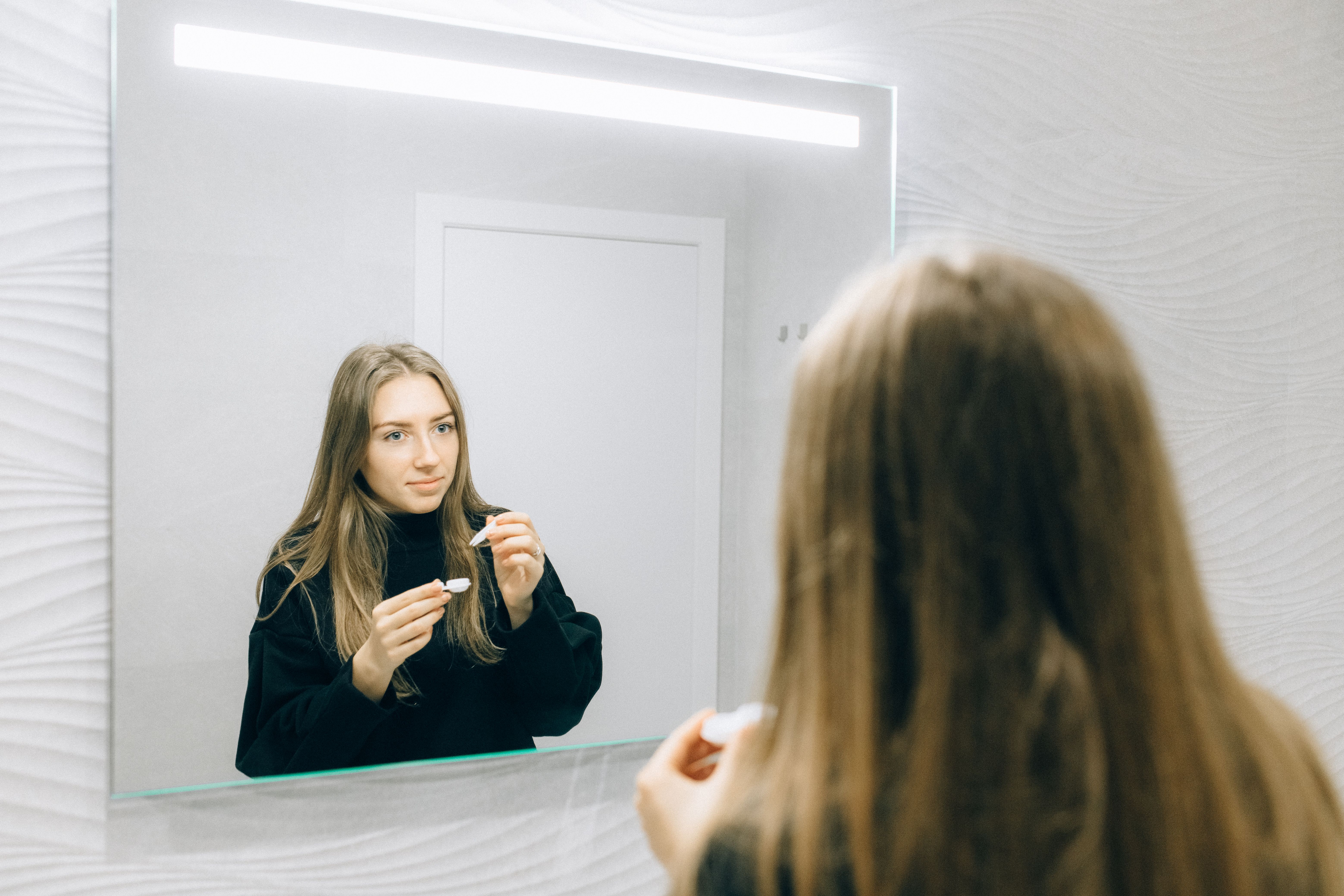
Can You Sleep with Contact Lenses? Risks Explained for UAE Users
Can you sleep with contact lenses in UAE? The simple answer is no.
Whether it’s an accidental nap on the sofa or intentionally wearing your lenses overnight, sleeping with contact lenses can significantly increase your risk of eye infections, corneal damage, and long-term vision problems.
In the UAE, where air conditioning, dust, and dry environments already put extra stress on the eyes, sleeping in contact lenses can make eye discomfort and complications even worse.
This guide explains the risks of sleeping with contact lenses, what to do if you accidentally fall asleep wearing them, and how to keep your eyes safe.
Can You Sleep in Contact Lenses?
No. Eye care professionals do not recommend sleeping in contact lenses, even for a short nap.
According to eye health studies, sleeping with contact lenses can make you 6 to 8 times more likely to develop a serious eye infection.
Even if you’ve slept in your lenses before without problems, each time increases the risk of complications.
Why Is Sleeping with Contact Lenses Dangerous?
1. Reduced Oxygen to the Cornea
Your cornea receives oxygen directly from the air.
When you sleep:
Your eyes are closed.
Oxygen levels naturally decrease.
Contact lenses create an additional barrier.
This can lead to corneal hypoxia (oxygen deprivation), causing:
Blurred vision
Eye irritation
Corneal swelling
Long-term corneal damage
2. Increased Risk of Eye Infections
Sleeping in contact lenses traps bacteria and debris against the eye for several hours.
This creates an ideal environment for:
Bacterial infections
Fungal infections
Corneal inflammation (keratitis)
The risk of corneal infections increases significantly among overnight contact lens users.
3. Risk of Corneal Ulcers
A corneal ulcer is an open sore on the surface of the eye and is one of the most serious complications associated with sleeping in contact lenses.
Symptoms may include:
Severe eye pain
Redness
Blurred vision
Light sensitivity
Excessive tearing
If left untreated, corneal ulcers can lead to permanent vision loss.
No. Daily disposable contact lenses should never be worn during sleep.
Daily lenses are designed for single-day use only and are not approved for overnight wear.
Sleeping in daily lenses can:
Increase infection risk
Cause dryness and irritation
Reduce oxygen flow to the cornea
Most monthly lenses are also not designed for overnight wear.
Sleeping in monthly lenses can:
Cause protein and debris buildup
Increase infection risk
Lead to corneal stress and dryness
Only certain extended-wear lenses prescribed by an eye care professional are approved for overnight use.
Are There Contact Lenses Approved for Overnight Wear?
Yes. Some extended wear contact lenses are designed for overnight use.
Examples include:
Air Optix Night & Day
Bausch + Lomb Ultra
These lenses use silicone hydrogel materials that allow more oxygen to reach the eyes.
However, even with FDA-approved overnight lenses, many eye care professionals still recommend removing lenses before sleeping because the risk of infection remains higher than with daily removal.
Why UAE Contact Lens Users Should Be Extra Careful
The UAE environment creates additional challenges for contact lens wearers.
Air Conditioning
Low humidity causes tears to evaporate quickly.
Dust & Sand
Environmental particles can settle on lenses and cause irritation.
Long Screen Hours
Reduced blinking increases dryness and discomfort.
If you already experience dry eyes, sleeping in contact lenses can worsen these issues.
What If You Accidentally Sleep with Contact Lenses?
Accidentally Slept Wearing Your Contact Lenses?
Don’t panic. Follow these simple steps to safely remove your lenses and protect your eye health.
Do Not Remove Them Immediately
Your contact lenses may have become dry and stuck to the surface of your eyes. Pulling them out immediately could damage your cornea.
Use Rewetting Drops
Apply contact lens rewetting drops and wait several minutes. This helps restore moisture and allows the lenses to move freely again.
Blink Frequently
Blink gently several times to loosen the lens naturally before attempting to remove it.
Remove Carefully
Once the lens feels comfortable and moves freely, remove it gently. Never force it out.
Monitor Your Eyes Afterwards
Seek professional advice immediately if you notice any of the following symptoms:
Redness
Pain
Blurred Vision
Light Sensitivity
Excessive Tearing
Risks of Sleeping with Contact Lenses: Quick Summary
Risk
Possible Effect
Corneal Infection
Redness, pain, blurred vision
Corneal Ulcer
Permanent scarring
Corneal Hypoxia
Swelling and oxygen deprivation
Dry Eyes
Irritation and discomfort
Keratitis
Serious eye infection
Vision Loss
In severe untreated cases
How to Keep Your Eyes Safe
– Remove lenses before sleeping – Replace lenses on schedule – Follow proper lens hygiene – Use lubricating drops if needed – Buy lenses from licensed optical stores – Have regular eye examinations
– Sleep in contact lenses – Swim or shower with lenses – Share contact lenses – Use expired lenses or solutions – Ignore redness or pain
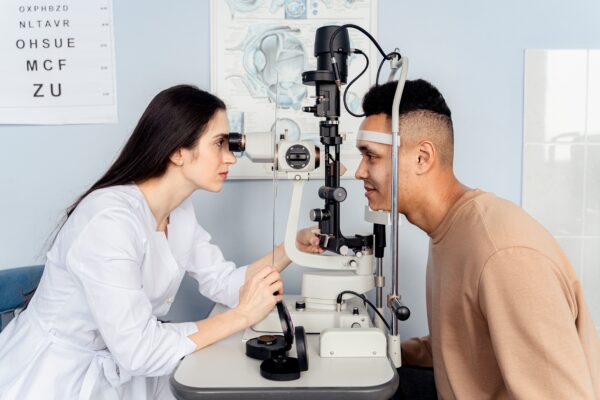
Why Regular Eye Tests Matter
Regular eye examinations help determine:
Whether your lenses fit correctly
Signs of dryness or irritation
Changes in prescription
Overall eye health
Frequently Asked Questions (FAQs)
Can you sleep in contact lenses?
No. Sleeping in contact lenses significantly increases the risk of infections and corneal damage.
Is it bad to sleep with contact lenses?
Yes. It can lead to dry eyes, infections, corneal ulcers, and long-term vision problems.
Can I take a nap with contact lenses?
No. Even short naps increase the risk of bacterial growth and eye irritation.
What happens if I accidentally sleep with contact lenses?
Remove them carefully after using rewetting drops and monitor for redness, pain, or blurred vision.
Which contact lenses are approved for overnight wear?
Certain extended-wear lenses, such as Air Optix Night & Day, are approved for overnight use under professional supervision.
Can sleeping in contacts cause blindness?
In severe cases, untreated corneal infections and ulcers can lead to permanent vision loss.