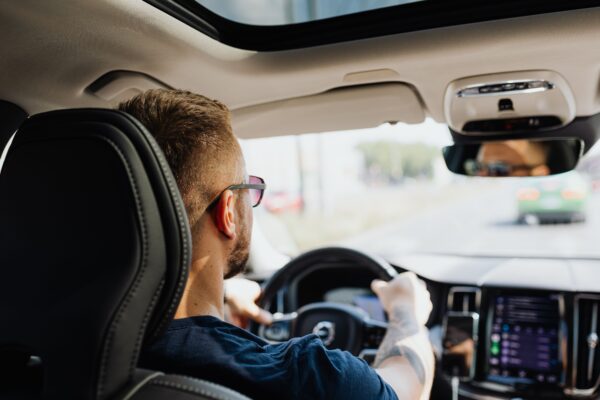
Best Progressive Lens Brands in UAE: What Should You Choose?
Progressive lenses provide multiple vision distances in one lens without the visible line found in traditional bifocals. However, not every progressive lens design is equally suited to driving. Factors such as the visual corridor, prescription, lens design, anti-reflective coating, and professional fitting can all affect your experience.
This guide explains what to look for when choosing the best progressive lenses for driving in Dubai.
Why Driving Requires the Right Progressive Lenses
When driving, your eyes constantly move between different distances. You may look at the road ahead, check your side or rear-view mirrors, read the dashboard, and briefly glance at navigation information.
For progressive lens wearers, these different visual tasks need to be accommodated within the lens design.
A well-selected progressive lens can provide:
Clear distance vision for roads and traffic signs
Comfortable intermediate vision for dashboards and mirrors
Functional near vision for occasional close-up tasks
Smooth transitions between different viewing distances
A comfortable visual experience during longer journeys
If you are new to progressive lenses, you may need some time to become familiar with the different viewing areas. Consistent use and correct fitting can help with adaptation.
Progressive lenses are multifocal lenses that gradually change optical power from the upper part of the lens to the lower part. This allows one pair of glasses to support different viewing distances.
For driving, the most important area is generally the distance zone, because it needs to provide clear vision of the road and surrounding environment. The intermediate area can also be useful for viewing the dashboard and mirrors.
The exact design should be selected according to your prescription, frame, lifestyle, and visual requirements rather than simply choosing a lens labelled as a “driving lens.”
What Makes the Best Progressive Lenses for Driving?
A Suitable Distance Vision Zone
Clear distance vision is essential when driving. Your lenses should provide comfortable vision for viewing roads, traffic signals, pedestrians, and road signs.
Your optician can recommend a progressive design based on your prescription and typical driving habits.
A Comfortable Intermediate Zone
The intermediate zone can help when checking your dashboard, navigation system, or other information inside the vehicle.
A lens design with an appropriate intermediate area may be particularly useful for drivers who spend several hours on the road.
Anti-Reflective Coating
Headlights, street lighting, and reflections from other vehicles can be uncomfortable, particularly at night.
An anti-reflective coating can reduce reflections from the lens surface and improve visual comfort. It is important to understand that anti-reflective coatings do not eliminate glare completely or guarantee improved night vision, but they can help reduce distracting reflections.
Accurate Professional Fitting
Progressive lenses are highly dependent on accurate fitting. Measurements such as pupil position, frame position, and lens alignment can affect how easily you access the different viewing zones.
Even a high-quality progressive lens may not perform as expected if it is incorrectly fitted.
Are Progressive Lenses Good for Driving?
For many people who require multifocal vision correction, progressive lenses can be suitable for driving.
They allow you to use one pair of glasses for different visual tasks rather than switching between separate distance and reading glasses.
However, individual suitability depends on your prescription, lens design, adaptation, and visual comfort. If you experience difficulty judging distances, significant blur, dizziness, or discomfort while driving with new progressive lenses, speak with your optician before continuing to drive.
Progressive Lenses for Night Driving
Night driving can be more visually demanding because of reduced ambient light and bright headlights from oncoming vehicles.
When selecting progressive lenses for night driving, consider:
Accurate prescription correction
High-quality anti-reflective coating
Appropriate lens material
Good frame and lens fitting
Your individual visual requirements
It is also important to have realistic expectations. Progressive lenses cannot remove the effects of glare or make night driving risk-free. If you regularly experience difficulty seeing at night, an eye examination can help identify whether your prescription or another visual issue needs attention.
Progressive Lenses for Long-Distance Driving
If you regularly drive between Dubai and other Emirates, spend long hours on highways, or travel frequently for work, visual comfort becomes particularly important.
The right progressive lens should provide reliable distance vision while allowing comfortable access to intermediate viewing areas when necessary.
Tell your optician how frequently and how far you drive. This information can help them recommend a lens design that matches your lifestyle.
Should You Choose Polarised or Photochromic Lenses?
Dubai’s strong sunlight can make daytime driving uncomfortable, especially when light reflects from roads and vehicles.
Polarised sunglasses can help reduce certain types of reflected glare and can be useful for bright daytime driving. However, polarised lenses and progressive prescription lenses serve different purposes, so your optician can advise whether a prescription progressive sun lens or a separate pair of prescription sunglasses would be more suitable.
Photochromic lenses automatically darken in response to outdoor light and may be convenient for everyday use. Their performance inside vehicles can vary depending on the vehicle’s windscreen and the specific lens technology.
The best option depends on when and where you drive.
How to Adapt to Progressive Lenses for Driving
If you are wearing progressive lenses for the first time, adaptation may take some time.
Follow these tips:
Wear your glasses consistently so your eyes and brain can become familiar with the lens design.
Move your head naturally when looking through different areas of the lens.
Take extra care during the initial adjustment period, particularly when using stairs or changing environments.
Have the fitting checked if your vision does not feel comfortable.
Do not ignore persistent problems such as dizziness, significant blur, or difficulty judging distances.
If you have an RTA-related eye test requirement, you can also learn more about the process through Vision Wave Optical’sRTA Eye Test in Bur Dubai service page.
How to Choose the Best Progressive Lenses for Driving in Dubai
Before purchasing, discuss these points with your optician:
Your current prescription
How often you drive
Daytime versus nighttime driving
Average driving distance
Your screen and office requirements
Previous experience with progressive lenses
Preferred frame style and size
Available lens coatings
Warranty and adaptation support
There is no single progressive lens that is best for every driver. The right choice should balance visual performance, comfort, prescription requirements, lifestyle, and budget.
Frequently Asked Questions (FAQs)
Are progressive lenses good for driving?
Yes, progressive lenses can be suitable for driving when the prescription, lens design, and fitting are appropriate. They can provide clear distance vision while also supporting intermediate and near viewing needs.
Are progressive lenses good for night driving?
They can be suitable for night driving, particularly when combined with an accurate prescription and a quality anti-reflective coating. However, individual night-vision needs vary.
What are the best lenses for driving?
For people who require multifocal correction, the best progressive lenses for driving should provide comfortable distance vision, an appropriate intermediate zone, accurate fitting, and suitable anti-reflective treatment.
Can progressive lenses reduce glare while driving?
An anti-reflective coating can reduce reflections from the lens surface and improve visual comfort. It does not completely eliminate glare from headlights or reflective surfaces.
How long does it take to adjust to progressive lenses?
Adaptation varies from person to person. Many new wearers become comfortable within several days, while others may need longer. If significant discomfort persists, have your lenses and fitting checked.